Open 24/7, Monday to Sunday | Serving Clinton since 2019(319) 410-9634
Edmund Dumpster RentalDumpster Rental Clinton, IA
Dumpster Rental Clinton, IA

Local debris service

Dumpster Rental Clinton, IA

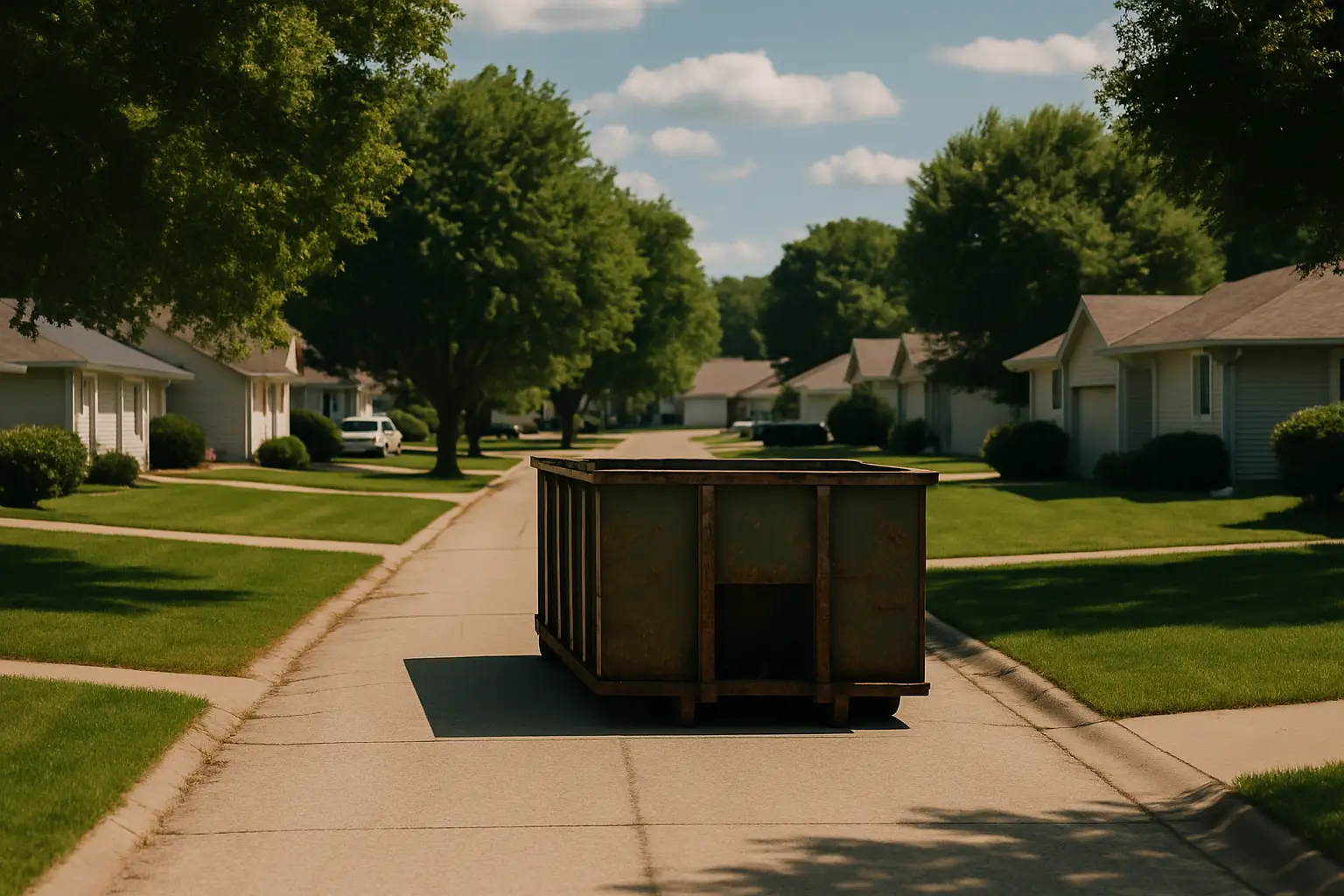
Edmund Dumpster Rental confirms placement details and records pickup timing, with clear coordination before the container arrives.

Dumpster Rental Clinton, IA gives homeowners, contractors, landlords, and businesses a practical way to control debris during a project. Edmund Dumpster Rental helps choose the container, checks the delivery area, and explains what belongs inside before scheduling delivery across Clinton. Service is available 24/7, Monday to Sunday.

  • Licensed, bonded and insured
  • Serving since 2019
  • 4371+ containers delivered
  • Open 24/7, Monday to Sunday
  • Serving Clinton County

Clinton service

Practical dumpster planning for Clinton properties

Edmund Dumpster Rental provides containers for residential cleanouts, remodeling work, roofing debris, commercial construction, and property maintenance throughout Clinton. The useful answer is not always the largest box. A smaller container can be easier to place beside an older home or narrow driveway, while a larger project may need room for bulky material without stacking above the rim. We discuss the debris first, then look at where the truck can safely set the container. Driveway surface, overhead wires, branches, turning room, grade, and the distance from the street all affect delivery.

Clinton has a mix of older residential blocks, established neighborhoods, river-adjacent ground, commercial corridors, and newer development. That variety changes the delivery plan. A flat paved driveway may be straightforward, but a tight approach, soft shoulder, alley, or sloped lot needs more attention before the truck is dispatched. Edmund Dumpster Rental has served the area since 2019 and has delivered 4371+ containers. The crew remains available 24/7, Monday to Sunday, for planning that fits the property rather than forcing every project into the same setup.

Project options

Dumpster sizes for common Clinton cleanup work

These project types cover the work most often associated with a container. Material weight and access still matter, so describe the debris before choosing a size.

  • House Cleanout Dumpsters

    A house cleanout may include furniture, broken fixtures, carpet, cabinets, and bagged household debris. A container gives the crew one controlled loading point instead of scattered piles. Tell us whether the property is occupied, vacant, multi-level, or reached by a narrow driveway so placement matches the cleanup.

    Whole-home cleanouts
  • Garage and Basement Dumpsters

    Garage and basement work often produces dense, awkward material such as shelving, appliances, damaged flooring, and stored belongings. A smaller container may fit better near the side of a Clinton home, while a larger one helps when access allows. Keep the route from the work area clear before delivery.

    Heavy household debris
  • Moving and Estate Cleanouts

    Moving and estate projects can fill a container with mixed household contents over several loading sessions. Separate prohibited materials before the box arrives, and consider where movers or family members will walk. Edmund Dumpster Rental can help match the size to furniture volume, stairs, access, and the planned loading pace.

    Transition projects
  • Yard Waste Dumpsters

    Storm cleanup, brush removal, landscaping, and fence work create bulky material that takes more space than its weight suggests. Keep soil, rocks, treated materials, and ordinary vegetation identified separately because disposal requirements can differ. A clear driveway or firm work area helps protect the property during loading and pickup.

    Outdoor cleanup
  • Remodeling Debris Dumpsters

    Kitchen, bathroom, and room renovations commonly produce cabinets, drywall, flooring, trim, packaging, and fixtures. Heavy materials should not be piled beyond the rim. For a Clinton remodeling project, explain the material mix and whether demolition will happen all at once or in stages before selecting the container.

    Renovation debris
  • Roofing Dumpsters

    Roof replacement creates dense shingles, underlayment, flashing, and damaged sheathing. Roofing debris can reach a weight limit before it fills a large box, so size should follow both roof area and material type. Place the container where tear-off crews can load efficiently without blocking safe access around the home.

    Roofing material
  • Concrete and Heavy Debris

    Concrete, brick, block, dirt, and tile require a different size conversation from ordinary household debris. Weight is the controlling issue, not empty space. Describe the material, thickness, and approximate amount before delivery. The truck may need a firm, level surface that can handle concentrated load near Clinton properties.

    Dense material
  • Same-Day Dumpster Delivery

    Same-day delivery depends on container availability, route planning, site access, and a safe placement location. It cannot be promised before those details are checked. Have the address, preferred location, debris type, and access conditions ready so the crew can determine whether the request can be handled.

    Urgent project support
  • Commercial and Recurring Dumpsters

    Commercial sites and recurring construction work need predictable placement, loading rules, and pickup coordination. Discuss the work schedule, site traffic, material mix, and whether containers will rotate. A practical plan reduces interference with employees, deliveries, customers, and equipment around the Clinton property.

    Business site service

Additional work

Other cleanup services may fit better

How it works

A straightforward plan for Clinton delivery

  1. Describe the work

    Start with the project type, material, property address, and expected loading period. Mention concrete, roofing, soil, appliances, or other dense items early. Those details affect the usable size and weight discussion more than a general description such as renovation or cleanup.

  2. Review the placement

    The crew needs to know where the container should sit and how the truck will reach it. Discuss driveway width, street access, overhead branches, utility lines, slopes, soft ground, alleys, and nearby vehicles. A public street may require town permission before placement.

  3. Choose a workable size

    Size the container around the material and the way it will be loaded. Bulky light debris needs space, while concrete and roofing material can become heavy quickly. If the project is uncertain, explain the phases and loading method instead of automatically choosing the largest option.

  4. Prepare the property

    Move cars, trailers, low branches, loose objects, and other obstacles from the delivery path. Protect gates and identify any surface concerns before the truck arrives. Keep debris below the rim and distribute heavy material rather than concentrating it in one corner.

  5. Coordinate pickup

    Pickup planning follows the project schedule, access conditions, and container contents. Tell the crew when loading should be complete and whether another trade will still need the area. Edmund Dumpster Rental confirms placement, protects the driveway during setup, and documents pickup timing before delivery.

Why Edmund

Details that make the Clinton job easier

  1. The site gets checked first

    A container is only useful when the truck can reach the intended spot and leave without damaging the property. We discuss turning room, surface condition, overhead clearance, grade, and street exposure before delivery. That conversation may point to a smaller box, a different placement, or a different service. Spending time on access first is usually cheaper than correcting a bad placement later.

  2. Material drives the decision

    A full-looking container is not always a heavy container, and an apparently empty box can still be overweight with concrete, dirt, roofing, or brick. We ask what the debris is made of, how it will be loaded, and whether the work comes from one room or an entire property. That information keeps the recommendation tied to the actual job instead of a generic size chart.

  3. Coordination is part of delivery

    Edmund Dumpster Rental confirms the placement plan, considers driveway protection, and records pickup timing before the container is delivered. The point is practical: customers know where the box is intended to sit, crews know what access must remain open, and pickup is not treated as an afterthought. Availability is 24/7, Monday to Sunday, while arrival still depends on route and site conditions.

Working standards

What customers can expect from the crew

  • Every delivery starts with a discussion of debris type, access, placement, and project timing.
  • Clear access protects the property, the truck, and everyone working around the container.
  • Dense materials require a weight conversation before the container size is finalized.
  • Keep all material below the rim so the load can travel safely and legally.
  • Driveways, streets, alleys, and soft ground each require different placement planning.
  • Public placement may require town permission, so identify the location before scheduling delivery.
  • Clinton weather can change ground conditions, especially after rain, freezing, or spring thaw.
  • Licensed, bonded and insured service supports residential, commercial, renovation, and construction projects.

Placement planning

Where a container can sit on Clinton streets and driveways

A container usually works best on a firm, level private surface with enough approach room for the delivery truck. In Clinton, that may mean a paved driveway beside an older home, a rear access lane, or a commercial lot away from customer traffic. A street placement is a different situation. It may require town permission before the box is set there, and parking restrictions, curb access, hydrants, intersections, and visibility can affect the decision. Do not assume a narrow residential street or alley gives the truck enough room. Tell us the exact address, proposed location, surface, and whether vehicles must pass while the container is there.

The truck needs a clear path, overhead clearance, and room to align with the placement area. Low branches, utility wires, gates, parked cars, trailers, retaining edges, and steep approaches can stop a delivery even when the container itself would fit. River-adjacent or low-lying ground may also become soft after wet weather, while freeze and thaw can weaken a shoulder that looked firm earlier. Mark the preferred location and remove obstacles before delivery. If the site is tight, a different orientation or a smaller container may be the sensible answer. Edmund Dumpster Rental reviews those conditions beforehand, confirms placement, and considers driveway protection during setup.

Size and weight

How Clinton homes and materials change the size decision

Clinton’s housing mix can change the container recommendation. Older homes may produce plaster, lath, hardwood flooring, trim, cabinets, and heavier fixtures during renovation. Established neighborhoods can also have narrower driveways, detached garages, basements, and limited side access. Newer homes or larger properties may offer more room but still generate bulky packaging, flooring, drywall, and framing debris. A garage cleanout filled with household items needs space, while a bathroom tear-out may be smaller but denser. Describe the rooms, materials, and loading route rather than choosing by project name alone. The same renovation label can represent very different container needs.

Weight becomes the controlling issue with concrete, brick, block, dirt, tile, roofing, and wet material. These loads can reach a safe limit before the container looks full. Shingles are especially dense, and rain can make soil or other absorbent debris heavier. Do not mix a heavy-material plan with an ordinary household-cleanout assumption. The crew can discuss whether the project should use a smaller heavy-debris container, a different loading approach, or another service. Load evenly, keep everything below the rim, and identify prohibited materials before work begins. That preparation prevents a size choice based only on visible volume.

Common questions

Answers before you schedule a container

What size dumpster do I need for a house cleanout?

A house cleanout commonly needs a size based on furniture volume, carpet, fixtures, appliances, and how much can be loaded safely. A 10 Yard may fit a limited cleanout, while a 15 Yard or 20 Yard can suit more substantial household contents. Larger properties or full cleanouts may need more capacity. In Clinton, stairs, narrow driveways, and detached garages affect loading. Have the number of rooms, bulky items, and proposed placement ready for the call.

Can a dumpster go in my Clinton driveway?

A container can often sit in a Clinton driveway when the surface is firm, the approach is clear, and the truck has enough room to reach and align with the location. The driveway should not have low branches, blocked gates, unstable edges, or a slope that creates a safety problem. Older properties may have tighter access than expected. Identify the driveway surface, width, grade, and nearby obstacles so placement can be reviewed before delivery.

Can I put a dumpster on the street in Clinton?

Street placement may be possible, but a container on a public street usually needs town permission first. Parking rules, traffic visibility, curb access, hydrants, and nearby intersections can also affect where it may sit. Do not reserve a street space until the placement is understood. Provide the address, side of street, proposed duration, and nearby restrictions so the applicable requirements can be explained before scheduling.

What cannot go in a dumpster?

Materials such as hazardous substances, certain chemicals, pressurized containers, batteries, tires, liquids, and some appliances may require separate handling. Rules can vary by material and disposal destination, so do not place an uncertain item in the container. Clinton properties may produce paint, renovation chemicals, treated materials, or old equipment during a cleanup. Set questionable items aside and describe them before loading begins.

How quickly can a dumpster be delivered?

Delivery timing depends on container availability, the route, the requested size, access, and whether the proposed location is ready. Same-day service may be possible, but it cannot be promised until those conditions are checked. Weather and a soft driveway can also change the plan in Clinton. Have the address, size preference, debris description, and placement details ready so availability can be evaluated.

How full can I load a dumpster?

Load material evenly and keep it below the top rim so the container can be covered and transported safely. Do not allow boards, branches, metal, or other debris to extend above the sides. Heavy material should not be concentrated in one area. Clinton roofing, remodeling, and storm cleanup projects often create awkward pieces, so cut or place material safely and discuss anything that cannot remain below the rim.

Should I rent a dumpster for concrete and roofing?

Concrete and roofing can use a dumpster, but they require a weight-focused size discussion because dense material may become too heavy before the container is full. Concrete, brick, dirt, tile, and shingles should be identified before delivery. A firm, level placement area is especially important near Clinton homes. Describe the material, thickness, estimated work area, and loading equipment before selecting a container.

What should I do before the dumpster arrives?

Clear the delivery route and intended placement area of vehicles, trailers, branches, loose items, gates, and equipment. Confirm that the surface is firm and that overhead clearance is available. Keep workers and children away from the truck’s operating area during placement. Clinton weather can soften ground after rain or thaw, so check the surface again and have the address and placement plan ready.

Plan the job

Bring the useful details to the phone call

Edmund Dumpster Rental can help sort out size, access, material, placement, and pickup planning for a Clinton project. Service is available 24/7, Monday to Sunday. The more specific the information, the less guesswork goes into the recommendation, especially for heavy debris, tight driveways, public placement, or changing project schedules.

Phone

(319) 410-9634

The call covers the project material, container size, delivery location, access conditions, placement concerns, and pickup planning.

Availability

24/7
Monday to Sunday, day and night

Have this ready

  • Property address and project type
  • Debris materials and bulky items
  • Preferred placement and access details
  • Desired delivery and pickup timing

Where we work

Clinton, plus Camanche, Fulton, Low Moor, Goose Lake, Grand Mound, DeWitt, Wheatland, Morrison, Maquoketa and Andover.

See the full service area list

Get the container plan right before work starts

Tell Edmund Dumpster Rental what you are removing, where the container must sit, and what the truck will encounter on the way there. The crew can explain the practical size and placement options for your Clinton property.

Click Here to Call(319) 410-9634

Local coverage

Dumpster service centered on Clinton County

Edmund Dumpster Rental focuses on Clinton and nearby communities, including Camanche, Fulton, Low Moor, Goose Lake, Grand Mound, DeWitt, Wheatland, Morrison, Maquoketa, and Andover. Each delivery still depends on the exact property, road access, surface, and material. Tell the crew where the container belongs and what the truck must navigate before scheduling.

Downtown ClintonLyonsMill CreekThe BluffSouth ClintonRiverview

Dumpster Rental in nearby towns

Click Here to Call(319) 410-9634